Gas And Electric Basics
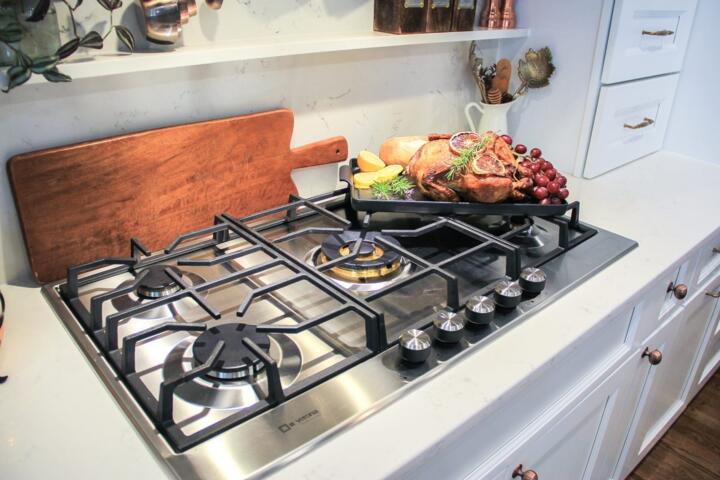
Gas stoves burn fuel to produce a flame, while electric stoves heat cookware using resistive heating elements or induction coils. That single difference changes how quickly heat responds, how heat spreads across the pan, and what happens when you turn the control knob.
Two evidence-based facts anchor the comparison. First, the U.S. Environmental Protection Agency (EPA) has reported that gas cooking can increase indoor nitrogen dioxide (NO2) levels, a respiratory irritant, especially in kitchens with limited ventilation. Second, the U.S. Consumer Product Safety Commission (CPSC) has documented that gas stoves can pose fire and burn risks, and that flame can ignite nearby combustibles if cookware or burner parts are misused.
In everyday cooking, gas often feels “instant” because the flame is present at the burner, and you can reduce it quickly. Electric coil burners usually heat more slowly and cool more slowly because the element and metal parts retain heat. Induction electric stoves behave differently again: they heat the pan directly, and the cooktop surface stays cooler than gas or radiant electric, which changes burn risk and cleanup habits.
For a practical example, consider boiling water for pasta. A gas burner can reach a rolling boil quickly, but the flame can overshoot if the pan is small. A radiant electric element may take longer to reach boil, yet it can hold a steady simmer once the element stabilizes. If you use induction, the boil time depends heavily on pan material and size, and a mismatched pan can simply fail to heat.
Common Pain Points
People often compare gas and electric using only “how fast it boils,” then ignore the rest of the cooking system. Heat response time matters, but so does simmer control, pan compatibility, and how the stove interacts with ventilation and indoor air.
One frequent misunderstanding involves indoor air. Gas combustion produces NO2 and water vapor, and incomplete combustion can add other pollutants. Even when you cook with the hood on, performance depends on hood type, ducting, and fan speed. Many kitchens use recirculating hoods that filter grease but do not remove NO2 the way ducted venting does.
Another pain point is safety perception. Gas stoves have an open flame, so grease fires and accidental ignition are a real concern when cookware overflows or when flammable items sit too close. Electric stoves remove the flame, yet they introduce hot-surface burn risk from radiant elements and residual heat indicators that some users treat like a suggestion rather than a warning.
Supporting technologies also change the outcome. Electric ranges come as coil, radiant glass-ceramic, or induction. Induction requires ferromagnetic cookware; if you use a non-compatible pan, the stove may not heat at all. Gas stoves depend on burner design, gas pressure, and proper air-to-fuel mixing; a misadjusted burner can produce a yellow flame and more soot.
Finally, cost comparisons often fail because they mix energy prices, appliance efficiency, and ventilation behavior. A stove that seems “cheaper” on paper can cost more if you run the hood longer, use higher settings, or cook longer due to slower heat-up.
How To Choose Safely
Match Your Cooking Style
Start with the tasks you do most: rapid boil, steady simmer, browning, or baking. Gas tends to excel at flame-based simmer control and quick adjustments, while radiant electric can be slower to respond at low settings because the element and glass retain heat. Induction offers fast response similar to gas, but only when you use compatible cookware.
Check your cookware before buying. If you already own cast iron, many stainless steels, and enameled pans, induction compatibility is likely. If you have aluminum or copper cookware, you may need an induction-ready base or a different pan, which changes the practical cost.
For a small aside, I’ve seen people buy an induction range and then blame the stove for “weak heating,” when the pan was simply non-ferromagnetic. A quick magnet test on the pan bottom usually clarifies that within seconds.
Plan Ventilation Like A System
Ventilation affects indoor air more than stove type alone. If you cook with gas, aim for a hood that vents outdoors when possible, with a fan strong enough for your kitchen size. If your hood is recirculating, it can reduce grease and odors but does not remove NO2 as effectively as ducted exhaust.
Use the hood during cooking and for a short period after, since pollutants and moisture linger. Many hoods have a timer or “delay off” feature; using it reduces the chance that the kitchen air returns to baseline immediately after you turn the burner off.
On a practical level, keep the hood filters clean. Grease buildup reduces airflow, and then you end up running the fan longer for the same effect, which can frustrate anyone who already dislikes maintenance.
Compare Safety And Burn Risk
Gas safety focuses on flame management and ignition sources. Keep burner caps seated correctly, avoid oversized cookware that can tip, and keep combustibles away from the flame. If you simmer for long periods, watch for boil-overs; they can extinguish a flame or create smoke that triggers alarms.
Electric safety focuses on hot surfaces and residual heat. Radiant glass-ceramic cooktops can stay hot after shutdown, and the “hot surface” indicator can be ignored by people who are rushing. Treat the cooktop like it remains unsafe until it cools to a comfortable touch.
For a small aside, I once tested a radiant element with a kitchen thermometer and found the surface temperature can remain high enough to burn for several minutes after turning off, depending on setting and ambient airflow. That timing varies, so use the indicator and your own caution.
Estimate Costs With Real Inputs
Cost comparisons require local utility rates and your cooking pattern. Electric costs depend on your electricity price per kWh and the stove’s efficiency, which varies by type. Gas costs depend on your gas price per therm and burner efficiency, which also varies by model and maintenance.
Ventilation energy matters too. Running a hood fan consumes electricity, and if ducting requires a stronger fan to achieve the same air exchange, that can shift the balance. If you bake frequently, oven efficiency and preheat behavior can dominate total energy use.
Use your last month of utility bills as a starting point, then adjust for cooking hours. If you want a quick tool, many utilities provide online calculators for appliance energy use, though they may assume standard usage patterns that do not match your schedule.
Educational Case Examples
Scenario 1: A renter cooks mostly on weekdays, uses a small hood with no ducting, and boils water several times a week. They notice that after switching from gas to radiant electric, the kitchen smells less during cooking, but they also experience slower simmer adjustments. Their best next step is to keep the hood fan on during cooking and to use lids to reduce cooking time, rather than assuming stove type alone solves indoor air concerns.
Scenario 2: A household with induction-compatible cookware wants faster browning and safer cleanup. They choose induction and keep a magnet test card in the drawer for future pan purchases. They still run the hood during high-heat searing because smoke and grease aerosols remain an issue, even without combustion.
Comparison Table And Checks
| Factor | Gas Stove | Radiant Electric | Induction Electric |
|---|---|---|---|
| Heat Source | Open flame from combustion | Resistive element under glass | Magnetic field heats pan |
| Simmer Response | Often quick knob changes | Slower due to retained heat | Fast response when pan matches |
| Indoor Air | Can increase NO2 without strong venting | No combustion pollutants from stove | No combustion pollutants from stove |
| Burn Risk | Flame and hot cookware | Hot glass surface after shutdown | Cooktop stays cooler; pan still hot |
| Cookware Needs | Broad compatibility | Broad compatibility | Ferromagnetic pans required |
Decision checklist you can run in one kitchen visit:
- Measure your hood: ducted to outdoors or recirculating, and note fan speeds if labeled.
- List your top 5 recipes and identify whether you need rapid simmer changes or long steady heat.
- Test induction compatibility with a magnet on each pan bottom.
- Check burner condition: for gas, look for consistent flame color and proper burner cap seating.
- Plan for cleaning: radiant glass needs correct cleaners to avoid surface damage; induction needs flat-bottom contact.
Common Mistakes
People often assume that switching stove type automatically fixes indoor air. NO2 concerns relate to combustion, but smoke and grease aerosols still come from cooking regardless of stove type. If the hood is weak or recirculating, the kitchen can still accumulate irritants.
Another mistake is ignoring pan size and placement. Gas flames can extend beyond the pot if the burner is oversized for the cookware, which wastes energy and increases soot. Radiant electric elements can heat unevenly if the pan bottom does not match the element size.
Some buyers also underestimate the learning curve. Induction power levels can feel different, and radiant electric simmering can overshoot because the element retains heat. If you change stove type without adjusting technique, you may burn food and then blame the appliance.
Finally, maintenance shortcuts create problems. Gas burners need periodic cleaning of ports and correct cap alignment. Electric glass-ceramic cooktops can be scratched or stained by abrasive cleaners, and that can make it harder to see residue that later burns on.
FAQ
Do Gas Stoves Increase NO2?
Gas cooking can raise indoor NO2 levels because combustion produces it. The size of the increase depends on ventilation strength, kitchen volume, and how long you cook.
Is Induction Safer Than Gas?
Induction removes the open flame, which reduces flame ignition risk, and the cooktop surface stays cooler than many radiant surfaces. Burns can still happen from hot pans, and grease smoke still requires ventilation.
Why Does Radiant Electric Keep Heating After Turnoff?
Radiant elements and the glass-ceramic layer store heat. After you turn off the burner, the stored heat continues to warm the pan for a few minutes, which can overshoot simmering.
Do I Need Special Cookware For Induction?
Yes. Induction requires cookware with ferromagnetic material so the magnetic field can induce heat. A magnet test on the pan bottom is a practical check.
How Can I Compare Operating Costs Fairly?
Use your local electricity and gas rates plus your cooking hours. Compare both stove and oven usage, and include hood fan electricity if you run it often.
Author's Insight
Gas and electric stoves differ in more than the visible flame. Combustion changes indoor air chemistry, while electric designs change heat transfer and residual heat behavior. Ventilation quality, cookware compatibility, and cooking habits often dominate the real-world outcome more than brand or marketing claims.
For evidence-based decisions, start with measurable inputs: hood ducting, kitchen size, your pan set, and your typical cooking times. Then compare safety risks that match the mechanism—flame ignition for gas, hot-surface burns for radiant electric, and pan-contact burns for induction.
If you have asthma, chronic respiratory symptoms, or frequent smoke-producing cooking, treat ventilation as part of the stove choice rather than an afterthought.
Key Takeaways
Gas stoves provide flame-based heat and broad cookware compatibility, but combustion can increase NO2 without strong ventilation. Radiant electric stoves remove combustion pollutants yet retain heat longer, which affects simmer control and burn risk from hot glass. Induction heats compatible pans quickly and keeps the cooktop cooler, but it requires ferromagnetic cookware.
Next steps: check your hood type (ducted vs recirculating), test induction compatibility with a magnet, and plan cooking technique changes for the heat response you choose. If you cook with gas and have respiratory concerns, consider using the hood during cooking and for a short period after, and discuss persistent symptoms with a clinician.
Seek professional medical advice if you experience worsening breathing symptoms, chest tightness, or persistent cough that correlates with cooking or kitchen air exposure. For appliance safety questions, follow the manufacturer’s manual and local fire safety guidance, since installation details and maintenance affect risk.