Router Vs Modem Basics
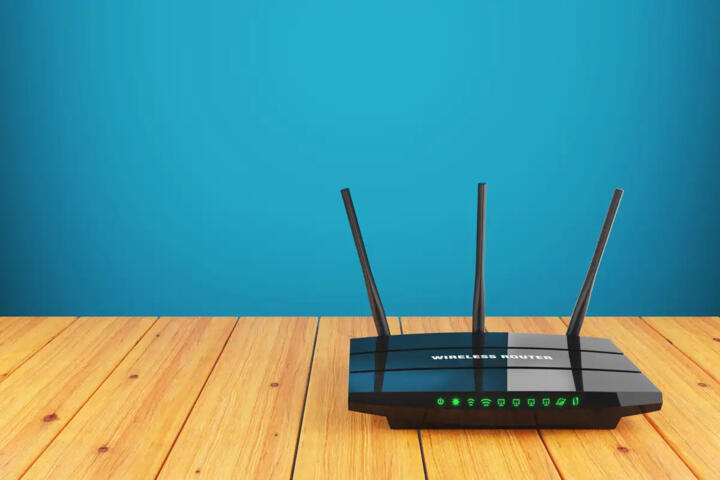
A modem connects your home network to your internet service provider (ISP) by translating the ISP’s signal into data your local devices can use. A router then directs that data to the right device inside your home using IP addresses, routing rules, and network address translation (NAT).
In many homes, the modem sits at the edge of your service, while the router sits at the center of your local network. If you have a cable modem, it talks to the ISP over coax; if you have a fiber or DSL setup, the modem function may be handled by an optical network terminal (ONT) or a DSL modem. The router function is usually what creates your Wi‑Fi network name (SSID) and manages local wired and wireless connections.
Some ISP packages combine both functions into one box. In that case, the device still performs modem translation for the ISP link and router tasks for your home, but the separation is internal rather than physical.
Common Pain Points
People often misdiagnose internet problems because they assume one device “owns” the whole connection. In reality, failures can happen in the ISP link, the modem/ONT side, the router side, or even in a single Ethernet cable.
A frequent misunderstanding is that Wi‑Fi problems always mean the router is broken. Wi‑Fi can fail because the router can’t reach the internet, because the ISP link drops, or because the router’s wireless radio settings were changed. Another common error is power-cycling only one device when the other device is the one that lost sync.
Dependencies matter. Your modem/ONT must establish a session with the ISP (for example, cable modem registration or PPPoE for some DSL setups). Your router must then obtain an WAN configuration (often via DHCP from the ISP or via PPPoE credentials stored in the router). If either step fails, the router may still broadcast Wi‑Fi while the internet path remains down, which feels like “Wi‑Fi works, internet doesn’t,” and it rarely matches the docs.
Also watch for device roles. If you connect a router to another router without disabling double NAT, online gaming, some VPNs, and certain port-forwarding workflows can behave oddly. Firmware versions can matter too; I’ve seen setups where a router on firmware 1.0.11 handled WAN DNS differently than the same model on 1.0.9, and the symptom looked like “random” outages.
Solutions And Advice
Identify Your ISP Link First
Start by checking whether the modem/ONT link is up. Many modem/ONT units show status LEDs or a web status page. If the “online” or “internet” LED is off or blinking in a pattern that indicates loss of sync, the router can’t fix that because it depends on the WAN connection.
Practical method: power-cycle in the order that matches dependencies. Turn off the modem/ONT first, wait about 30 seconds, then turn it back on and wait for it to fully register (often 2–5 minutes for cable; fiber can be faster, but timing varies). Only then restart the router. If you restart the router first, it may cache a failed WAN state and take longer to recover.
For tools, use the router’s admin page to view WAN status fields such as “WAN IP,” “Default Gateway,” and “Connection Type.” If the WAN IP is missing or shows 0.0.0.0, the router is waiting on the modem/ONT or ISP session.
Confirm Router Responsibilities
Next, confirm what your router is doing locally. The router should assign IP addresses to devices via DHCP, and it should list connected clients in its “LAN” or “DHCP clients” view. If your phone gets an IP address but websites fail, the router’s WAN path or DNS settings may be wrong.
Use a simple test: from a wired computer, run a ping to your router’s LAN IP (commonly 192.168.0.1 or 192.168.1.1). Then ping a public IP address such as 1.1.1.1. If the first ping works and the second fails, the router can’t reach the internet. If the second ping works but domain names fail, DNS is the likely issue.
DNS troubleshooting can be done by checking the router’s WAN DNS settings or by testing a device-level DNS change. If you change DNS on a single device, note that some networks use DHCP options to push DNS back, which can make the fix appear temporary.
Avoid Double NAT And Loops
If you have a modem/router combo from the ISP and you add a second router, you can create double NAT. The symptom often shows up as strict NAT types in gaming, VPN connection failures, or port-forwarding rules that don’t reach the intended device.
To avoid this, either use the second router in bridge mode (if supported) or place the ISP device into bridge mode and let the second router handle PPPoE/DHCP. Some ISP gateways do not offer full bridge mode, and the workaround may be limited. When bridge mode is not available, you can still reduce pain by using DMZ on the first router and careful port forwarding on the second, but that adds complexity.
As a side observation, many consumer routers label this setting differently across UI versions; I’ve seen “Bridge,” “IP Passthrough,” and “DMZplus” used for related but not identical behaviors.
Decide When Replacement Makes Sense
Replacement should follow evidence. If the modem/ONT shows repeated loss of sync, frequent resets, or error counters that climb after ISP maintenance windows, the modem/ONT may be the limiting factor. If the router’s CPU spikes during normal use, logs show repeated WAN drops, or Wi‑Fi disconnects correlate with specific channels, the router may be the issue.
Check logs before buying hardware. Many routers provide system logs and event timestamps. If the WAN disconnect time matches the modem/ONT LED changes, the modem/ONT is likely at fault. If the modem/ONT stays stable while the router restarts or drops clients, the router is more likely.
When you do replace, match capabilities. For cable, the modem must support the ISP’s required DOCSIS version and channel bonding. For fiber, the ONT model and authentication method matter. For Wi‑Fi, the router’s Wi‑Fi generation affects throughput and coverage, but it does not fix a broken ISP session.
Case Examples
Apartment With Wi-Fi But No Internet
An anonymized tenant reports that the Wi‑Fi name appears, devices connect, and local apps work, but websites fail. The router admin page shows LAN clients receiving DHCP addresses, yet the WAN status shows no default gateway. The modem/ONT LED labeled “online” is blinking, and the ISP status page shows a regional outage. After the ISP link stabilizes, the router’s WAN IP appears and internet access returns without changing router settings.
The lesson: Wi‑Fi can remain up while the WAN path is down, so diagnosing WAN status and modem/ONT sync prevents unnecessary router replacement.
House With VPN Failures After Adding A Router
A family adds a second router to extend coverage. After the change, their VPN client fails to connect, and port-forwarding for a home service stops working. The first router’s admin page shows the second router receiving a private WAN IP, which indicates double NAT. Switching the first device to IP passthrough (or enabling bridge mode where available) and moving the VPN configuration to the correct router resolves the issue.
The lesson: VPN and port-forwarding failures often trace back to NAT layering and where the WAN credentials live.
Router Vs Modem Checklist
| Symptom | Likely Device | What To Check | Next Step |
|---|---|---|---|
| Wi‑Fi connects, internet fails | Modem/ONT or WAN config | WAN IP, default gateway, modem/ONT online LED | Restart modem/ONT first; verify WAN connection type |
| No devices get IP addresses | Router LAN/DHCP | DHCP server status, LAN IP range, client list | Check DHCP settings; verify correct router is connected |
| VPN won’t connect after adding router | NAT layering | Double NAT indicators, passthrough/bridge mode | Enable IP passthrough/bridge; re-test port forwarding |
| Frequent Wi‑Fi drops, wired works | Router Wi‑Fi radio/settings | Channel selection, band steering, signal strength | Change channels; disable band steering if needed |
Common Mistakes
One mistake is replacing the router when the modem/ONT loses sync. A modem/ONT can fail registration even while the router’s Wi‑Fi continues broadcasting, so the internet stays down until the ISP link recovers.
Another mistake is changing router settings without recording the original values. If you switch from DHCP to PPPoE, or change DNS, you can fix one issue and create another. Write down the WAN connection type and any credentials before changes, because many routers store PPPoE usernames in the WAN profile.
People also connect the wrong ports. Some gateways label ports as “WAN” and “LAN,” and using LAN-to-LAN can create routing loops or prevent the router from obtaining a WAN IP. A quick physical check saves hours of software troubleshooting.
Finally, avoid assuming that “modem” and “router” labels match the hardware inside a combined ISP gateway. Some combined devices still require ISP-side provisioning for the modem function, so the router UI may look normal while the WAN session never comes up.
FAQ
Do I need both a modem and a router?
You need modem functionality to connect to the ISP link and router functionality to manage your home network. Many ISP gateways combine both, so you may only have one physical device.
How can I tell if my modem or router is failing?
Check modem/ONT status LEDs or WAN status on the router. If the router shows no WAN IP or no default gateway while the modem/ONT online indicator is unstable, the modem/ONT or ISP link is more likely.
Can a router work without internet?
A router can still create a local network and assign IP addresses to devices. Internet access fails when the WAN session to the ISP is down or when DNS and routing to the WAN are misconfigured.
What causes double NAT?
Double NAT happens when two routing layers both perform NAT between your devices and the ISP. It often occurs after adding a second router without bridge mode or passthrough settings.
Should I use bridge mode or passthrough?
Use bridge mode when the ISP gateway supports it and you want the second router to handle WAN authentication. Use IP passthrough when full bridge mode is unavailable, and confirm that WAN IP assignment and port-forwarding behave as expected.
Author's Insight
Router and modem roles map cleanly to network layers: modem/ONT handles the ISP-facing link, while the router handles local routing, NAT, DHCP, and Wi‑Fi. Troubleshooting works best when you test each dependency in order: modem/ONT sync, router WAN IP and gateway, then DNS and local client addressing.
Because ISP equipment varies by access type (cable, DSL, fiber), the same symptom can point to different causes. Logs, LED states, and WAN status fields usually narrow the problem faster than swapping devices.
If you share the access type and what the router’s WAN status page shows (connection type, WAN IP present or not), the diagnosis becomes much more grounded.
Key Takeaways
Modems/ONTs connect to the ISP; routers direct traffic inside your home. Wi‑Fi can stay up even when the WAN path is down, so check WAN status and modem/ONT sync before replacing hardware.
When adding routers, watch for double NAT and confirm whether bridge mode or IP passthrough is available. Record your original WAN settings, verify correct WAN vs LAN port usage, and test with simple ping and DNS checks to avoid guesswork.